Step Into Nostalgia: The Timeless Appeal of Diner Backgrounds
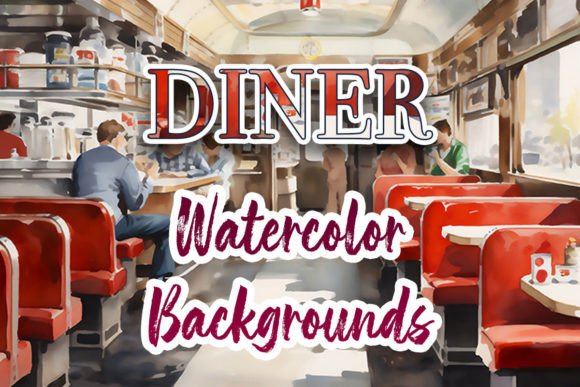
There’s a specific kind of warmth that comes from the chrome-and-neon glow of a 1950s American diner. It’s a feeling of simplicity, rock n roll, and classic comfort food. For designers and content creators, capturing that specific retro vibe has historically required a mix of stock photography and complex editing. However, the Diner Backgrounds collection offers a cohesive, artistic solution. These aren’t just static images; they are watercolor illustrations that translate the gritty reality of a diner into a whimsical, artistic narrative.
The visual language of this collection is distinct. You aren't dealing with sterile vector graphics or cold digital renders. Instead, the watercolor medium introduces a softness and texture that feels organic. The illustrations feature the iconic elements of the era: checkered flooring, vinyl upholstery, vintage jukeboxes, and classic American cars. The color palette relies heavily on the saturated, slightly muted tones typical of mid-century advertising—think teal, cherry red, and cream. This specific aesthetic makes the Diner Backgrounds collection incredibly versatile for anyone looking to inject personality into their work without relying on generic stock imagery.
Visual Character and Aesthetic Details
When evaluating design assets, the "personality" of the imagery is just as important as the resolution. These backgrounds possess a playful, nostalgic character. The watercolor style softens the industrial edges of the diner setting, making the images feel inviting rather than rigid. This is crucial for projects that need to feel welcoming.
Technically, the assets are built for professional use. Each JPG image is sized at 3750x2500 pixels with a resolution of 300ppi (pixels per inch). In practical terms, this means you can print these designs at large scales—up to 11x15 inches at full quality—without pixelation. For digital use, this high resolution allows for significant cropping and zooming, giving you the flexibility to focus on specific details, like a retro counter or a neon sign, while maintaining sharpness.
Applications in Branding and Marketing
The utility of the Diner Backgrounds extends far beyond simple wall art. For entrepreneurs and brand strategists, these illustrations serve as a powerful tool for brand identity. If you are launching a product that emphasizes heritage, authenticity, or a "retro" lifestyle, these backgrounds can ground your visual language immediately.
Consider the following applications:
- Logo Design and Presentation: While you wouldn't use a background image inside a logo mark, placing a logo over a textured diner background during a presentation can instantly communicate the brand's "vibe." It helps stakeholders visualize the brand in its intended environment.
- Packaging Design: For a food brand, a coffee roaster, or a craft soda company, these watercolor textures can be adapted for label backgrounds. The organic texture of the paint contrasts beautifully with clean, modern typography.
- Social Media Graphics: The square and landscape orientations of these images are perfect for Instagram posts, Facebook covers, or Pinterest pins. They provide an engaging backdrop for text overlays, ensuring your posts stop the scroll.
- Event Invitations: Hosting a themed party, a vintage market, or a corporate event with a retro twist? These backgrounds make for stunning, ready-to-use invitations that set the mood before the guest even arrives.
Integrating Retro Art with Modern Typography
One of the challenges in using detailed backgrounds is ensuring readability. A busy image can swallow text whole. The watercolor nature of the Diner Backgrounds actually helps here; the textures are varied but not overly noisy, creating "breathing room" for typography.
To create effective visual hierarchy, you need to choose your typeface carefully. Here is a practical approach to pairing these backgrounds with fonts:
- Display Fonts and Serifs: To lean into the retro vibe, pair the backgrounds with a bold serif font or a stylized display font. Fonts that mimic mid-century advertising lettering work exceptionally well. They bridge the gap between the illustration and the message.
- Sans Serif for Contrast: If you want a modern edge, use a clean, geometric sans serif font. The stark contrast between a rigid, modern typeface and a soft, hand-painted background creates a sophisticated, contemporary aesthetic. This is often used in editorial design to make traditional subjects feel fresh.
- Script and Handwritten Fonts: For a more casual, personal touch—like a greeting card or a bakery menu—a script font or handwritten font can mimic the casualness of the watercolor style. However, use these sparingly for headlines to maintain readability.
Practical Tips for Usage
When working with these assets, keep a few workflow principles in mind to maximize their impact:
- Overlay Techniques: Don't just place text on top. Try using a semi-transparent color overlay (a "wash") over the background to darken it slightly. This makes white text pop significantly, ensuring your message is the focal point, not just the art.
- Cropping is Key: Because the images are high-resolution, don't be afraid to crop in tight. If you only need the texture of a leather booth or a slice of the checkered floor, crop out the rest. This creates more abstract, versatile textures.
- Color Grading: While the collection has a set palette, you can adjust the hue and saturation in software like Photoshop or Canva to match specific client branding. Shifting the tones slightly can make the background feel more "summer" or more "winter" depending on your needs.
The Diner Backgrounds collection is more than just a set of pictures; it is a toolkit for storytelling. By leveraging the vintage aesthetics and high-quality watercolor rendering, creators can produce work that feels authentic, nostalgic, and professionally polished. Whether you are designing a menu for a local eatery, creating a mood board for a marketing campaign, or crafting a unique gift, these assets provide the perfect foundation for creativity.